Mental health is an essential component of individual and population health and contributes to social wellbeing, productivity and sustainable development. Mental, neurological, psychosocial and substance-use disorders contribute substantially to ill-health and disability and may be accompanied by stigma, discrimination, human-rights violations and poor access to appropriate care.
This course introduces students to the promotion of mental health from a public health and community perspective. Students will explore common mental health conditions, their causes and social determinants, recognition and assessment of mental health problems, prevention and health-promotion approaches, and basic principles of management and referral. Attention will also be given to mental health in emergencies and the role of communities and health-promotion professionals in supporting mental wellbeing. The course combines theoretical learning with practical application, including mental health assessment and exposure to mental health service settings.
General Course Objectives
This course introduces students to the promotion of mental health from a public health and community perspective. Students will explore common mental health conditions, their causes and social determinants, recognition and assessment of mental health problems, prevention and health-promotion approaches, and basic principles of management and referral. Attention will also be given to mental health in emergencies and the role of communities and health-promotion professionals in supporting mental wellbeing. The course combines theoretical learning with practical application, including mental health assessment and exposure to mental health service settings.
General Course Objectives
- Teacher: Banegura Anchilla Mary
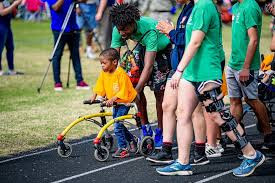
This course introduces students to the health needs and public-health priorities of special and vulnerable populations, specifically older persons, orphans and vulnerable children (OVC), adolescents, people with disabilities (PWD), and prisoners.
Students will examine why these populations may experience particular health risks and barriers to services, and how health promotion and public-health approaches can respond to their needs. Learning will combine lectures, tutorials, case studies, assignments, assigned readings and community-based learning experiences.
Course Learning Objectives
By the end of the course, students should be able to:
1. Design and implement appropriate health-promotion interventions for special populations.
2. Advocate and lobby for the health interests and needs of special populations.
3. Participate in policy processes intended to support and safeguard the health needs and rights of special populations.
Learning Outcomes
By the end of the course, students should be able to:
1. Describe and interpret important health indicators and health needs affecting older persons, OVC, adolescents, PWD and prisoners.
2. Analyse the major health risks, social determinants, service-access barriers and protection needs affecting each special population.
3. Propose appropriate health-promotion and public-health interventions responsive to the needs of different special populations.
4. Examine relevant policies, programmes and institutions established to protect and promote the health of special populations.
5. Apply course knowledge to practical cases and community settings involving special populations.
Students will examine why these populations may experience particular health risks and barriers to services, and how health promotion and public-health approaches can respond to their needs. Learning will combine lectures, tutorials, case studies, assignments, assigned readings and community-based learning experiences.
Course Learning Objectives
By the end of the course, students should be able to:
1. Design and implement appropriate health-promotion interventions for special populations.
2. Advocate and lobby for the health interests and needs of special populations.
3. Participate in policy processes intended to support and safeguard the health needs and rights of special populations.
Learning Outcomes
By the end of the course, students should be able to:
1. Describe and interpret important health indicators and health needs affecting older persons, OVC, adolescents, PWD and prisoners.
2. Analyse the major health risks, social determinants, service-access barriers and protection needs affecting each special population.
3. Propose appropriate health-promotion and public-health interventions responsive to the needs of different special populations.
4. Examine relevant policies, programmes and institutions established to protect and promote the health of special populations.
5. Apply course knowledge to practical cases and community settings involving special populations.
- Teacher: Banegura Anchilla Mary