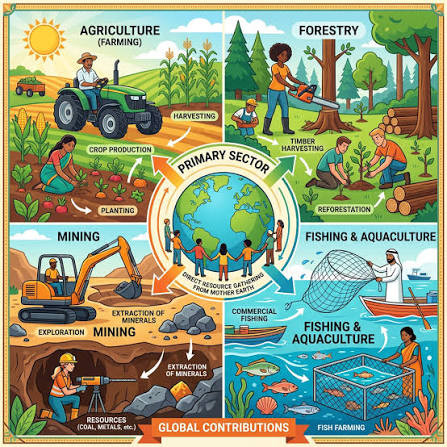
Seeking knowledge is a continuous process and a prerequisite for sustainable development. This course provides a comprehensive introduction to research methodology, covering the nature of research, types of research, and the complete research process. It equips students with essential investigative skills to identify problems, formulate research questions, design appropriate studies, collect and analyze data, and communicate findings effectively. The course emphasizes practical applications in agricultural contexts, preparing students for their future involvement in agricultural research activities and enabling them to conduct independent research with minimum supervision
- Teacher: Godfrey Vianney Bwogi
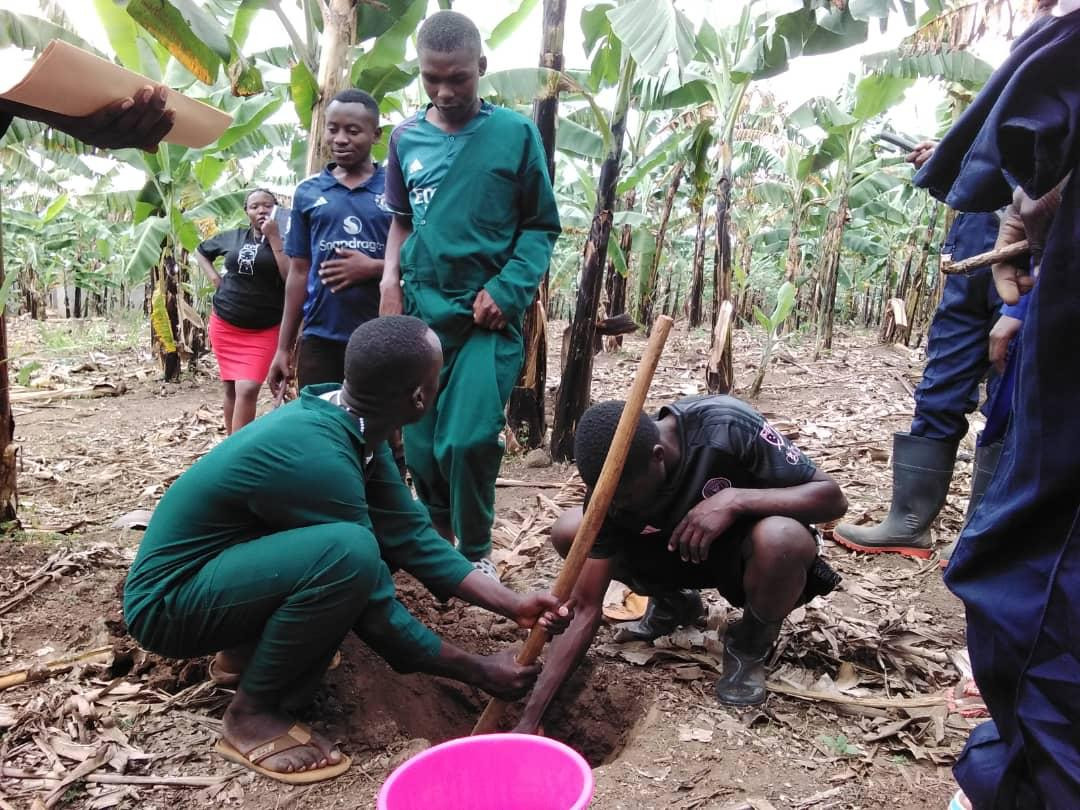
The natural environment has over the years been disrupted and degraded by human activities. It is therefore necessary that man understands the environment as a basis for achieving sustainable utilization of natural resources. This module enables students to understand the environment and be able to conserve its existing biodiversity while at the same time engaging in commercial agricultural production.
Course Objectives
i. To enable students appreciate the role of agriculture in conserving biodiversity
ii. To stimulate guided utilization of natural flora and fauna resources
iii. To develop skills and knowledge for translating the theory and concepts of resource and environmental management into practice relevant to communities and workplaces today.
iv. To apply monitoring and environmental management tools used by resource and environmental practitioners.
v. To consider the impacts of flows (energy, water, resources/waste) within the built, urban, agricultural and natural environments.
Learning Outcomes
At the end of this module, learners shall be able to
i. Promote environmental conservation within the agricultural sector
ii. Provide local solutions environmental problems
Course Objectives
i. To enable students appreciate the role of agriculture in conserving biodiversity
ii. To stimulate guided utilization of natural flora and fauna resources
iii. To develop skills and knowledge for translating the theory and concepts of resource and environmental management into practice relevant to communities and workplaces today.
iv. To apply monitoring and environmental management tools used by resource and environmental practitioners.
v. To consider the impacts of flows (energy, water, resources/waste) within the built, urban, agricultural and natural environments.
Learning Outcomes
At the end of this module, learners shall be able to
i. Promote environmental conservation within the agricultural sector
ii. Provide local solutions environmental problems
- Teacher: Pius Mbuya Nina